Picture These – Two Days in Yorkshire & Kings of Pain – Book Reviews

Bicycle racing is an eminently photogenic sport. The raw effort needed, the closeness of riders to each other and to the spectators, along with the relative lack of protective clothing, allow the athletes emotions to be readily captured. Add in the shifting backdrops that the best stage races offer (and the passion that some areas engender) and you have a rock solid recipe for stunning images.

As with the racing itself, changes in camera technologies have allowed new perspectives to be captured and new insights found in this century old sport. But the eternal truths of effort, ecstasy and despair remain constant. Two current books show that this is as true now as it was in the infancy of the Tour de France.
two days 1

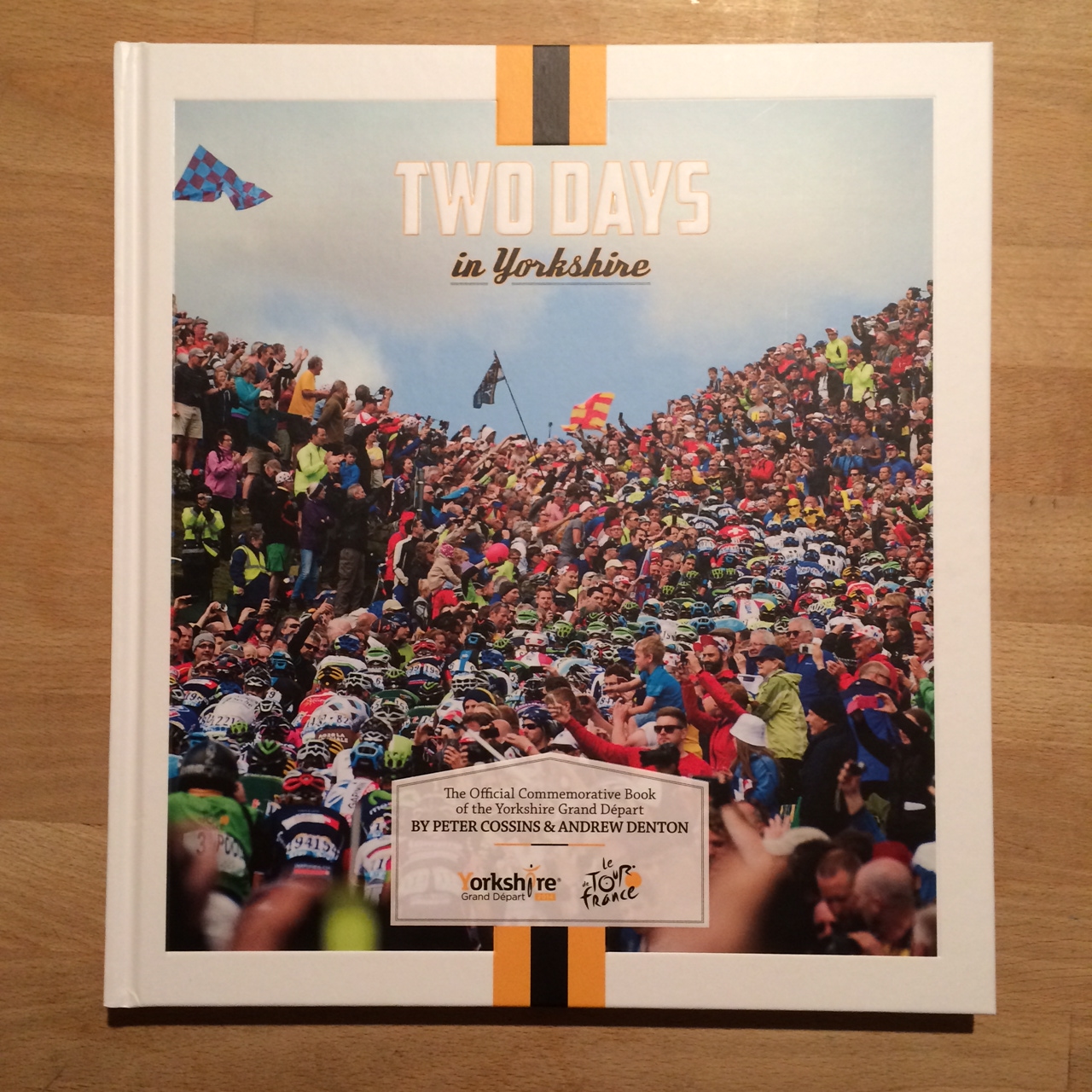
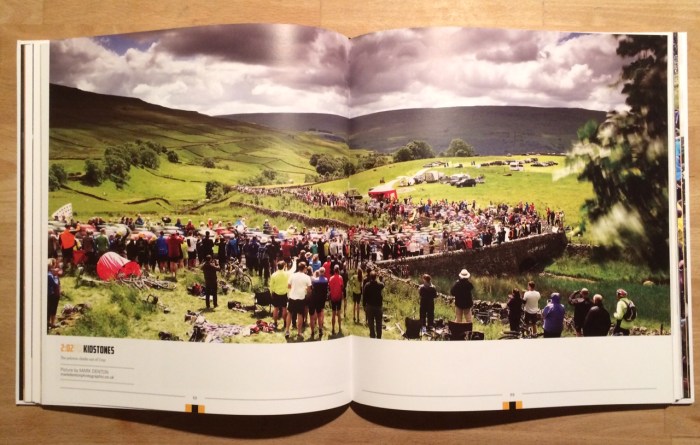
Produced by organisers Welcome To Yorkshire, ‘Two Days in Yorkshire’ by Peter Cossins and Andrew Denton (£35.00, Hardcover) commemorates and celebrates the Tour’s recent 48 hour sojourn in the county for what has been unanimously described as the ‘Grandest Grand Depárt ever’. If we have already agreed that bike racing is photogenic, we also have to say that Yorkshire is very photogenic too and the marriage of the two produces some gorgeous images.
two days  2

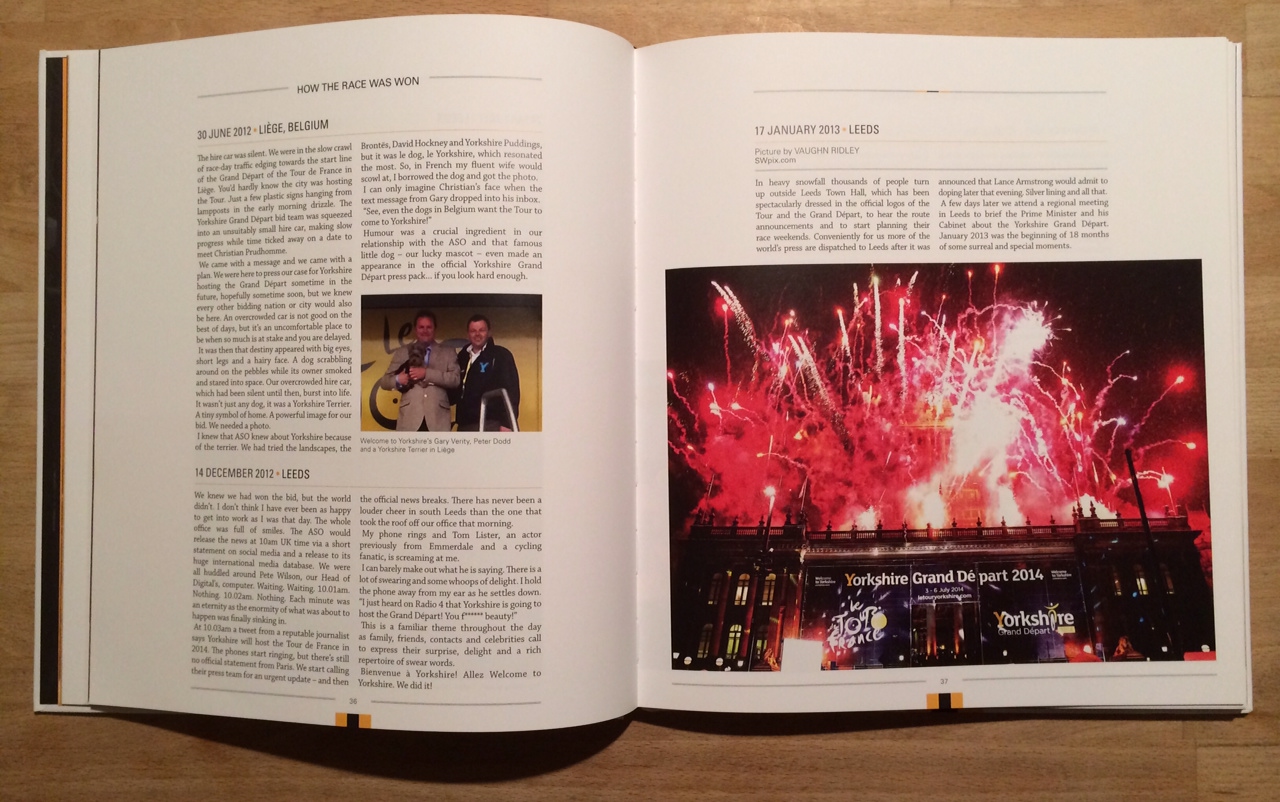
The instantly famous picture of the massive crowd engulfing the riders atop Buttertubs on Stage 1 adorns the front cover but the empty vistas of Starbotton and the snaking roads of Holme Moss also stand out from the excellent offering. Featuring the work of Tim de Waele, Jered & Ashley Gruber and a host of others this is modern Tour photography of the highest order and the end result is a book that never feels as if the material is being stretched to fill a few more pages. Alongside more than 200 images of the race, the route, the riders and the fans’ short but memorable time in the cycling limelight is an insider’s diary by Jersey Pocket friend Andrew Denton who sheds an equally bright light on how the bid to host the Grand Depárt was won in the first place.
two days  3

king of pain1

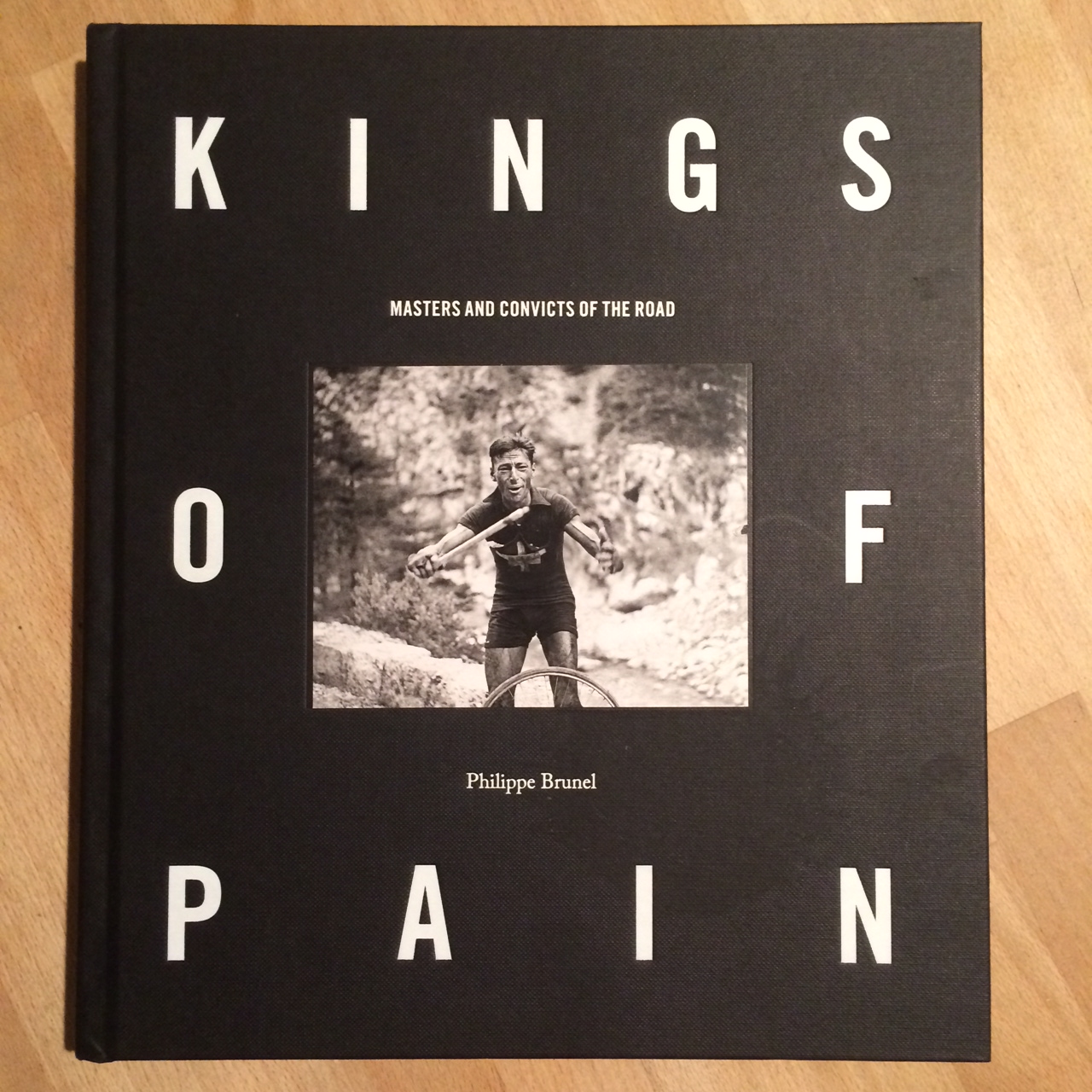
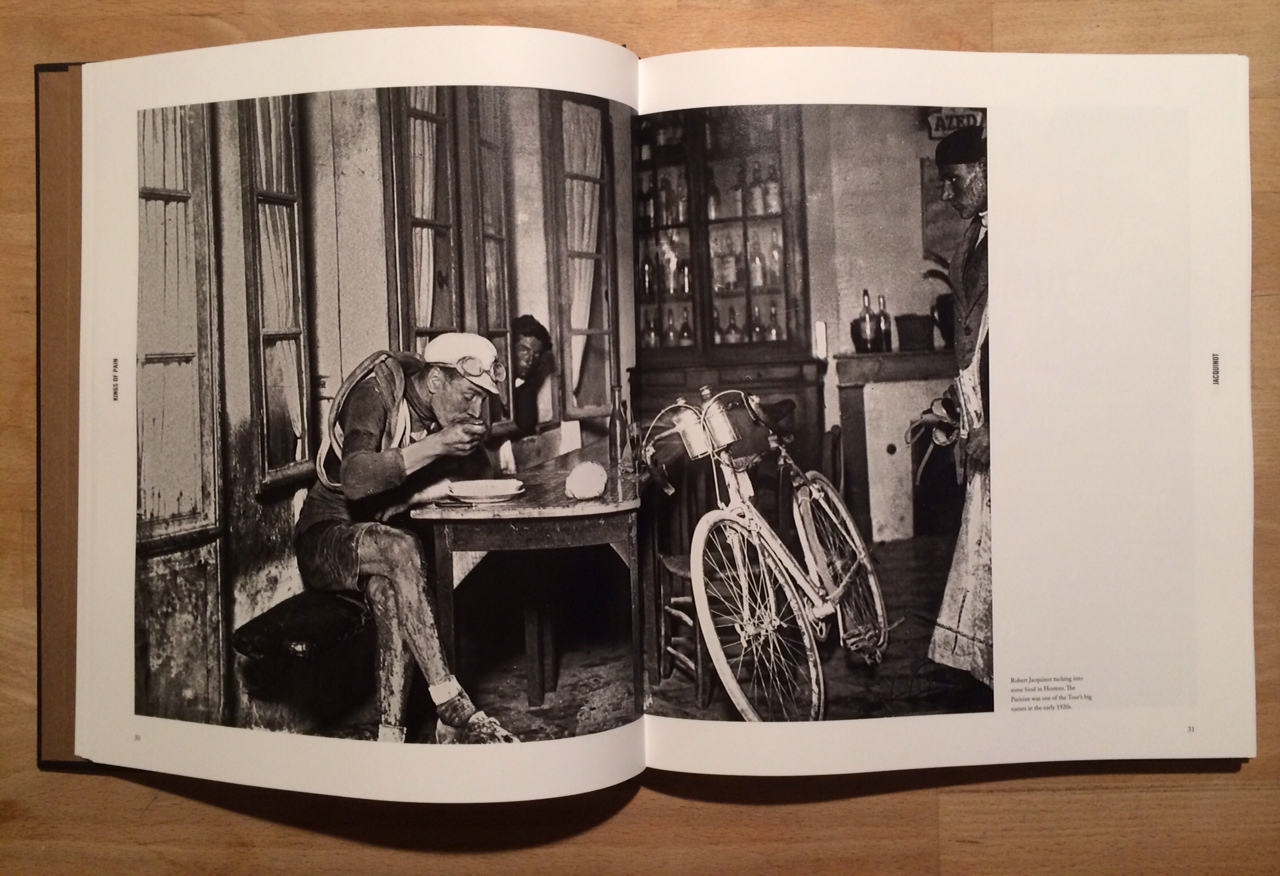
Given that high speed film, lightweight cameras, helicopters and a hundred other inventions weren’t available to the early Tour de France snappers, it seems incredible that they managed to capture so much of that raw emotion as is found in Rapha’s repackaged reprint of Philippe Brunel’s ‘Masters and Convicts of the Road’. A fascinating photo and text loveletter to the golden ages of cycling, the retitling of the book to include ‘Kings of Pain’ (£40, Hardcover) – the collection of clothing produced in Rapha’s tenth anniversary – is the only change from the original. The black and white picture selection and (freshly translated) text remain the same. And what pictures! The two which grace the front and back cover – Ferdi Kubler brandishing a frame pump at some unseen tormentor and Louison Bobet calmly looking out the rear window of an ambulance – set the tone perfectly. This is the Tour de France seen from the inside.
king of pain2

The thing which strikes the most throughout is the incredible access the unnamed photographers had to riders in those days. Bartali in pyjamas reading his route map in bed, Koblet in the bath- arms ravaged by crashes but with not a single hair out of place, Coppi reflecting on another tough day whilst soaking his feet in the bidet. There were no hiding places for the Convict; no tour bus to hide in; no sanctuary for a private moment of celebration or commiseration – everything is played out on the road and the ‘off-duty’ parts of the of the Tour are seen as part of the road too. Here they truly are prisoners of the Tour; caged animals to be stared at and marvelled over at every waking (and even occasionally sleeping) moment.
king of pain3

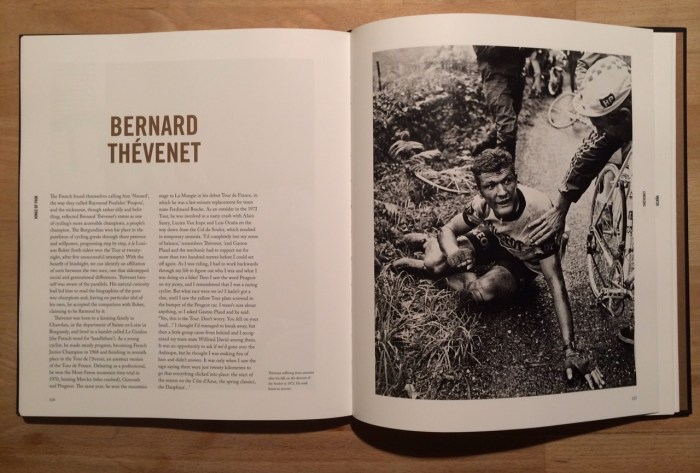
The record of the road – all the way from Garin to Indurain – where mud-crusted legs, battered clothing, grimey faces with tired eyes are allied with the looks of general resignation that this is simply the Prisoner’s Fate. A picture of the more widely troubled Charley Gaul, his face partially obscured through a glass window (echoes of another prison, another cell) is haunting in the extreme. The Pain which the title speaks of is not just physical it would seem. It is also the pain of fame and the loss of privacy as well as the struggle of the mind to overcome and persevere in the face of insurmountable difficulty. Bravery, it seems, is eternal.

My extended family were at my house this weekend for a significant birthday celebration. All comers, all ages, cyclists and non-cyclists were drawn to both books and the many contrasting words and pictures to be found inside..

Two Days In Yorkshire is published mid September  | Kings of Pain is available now
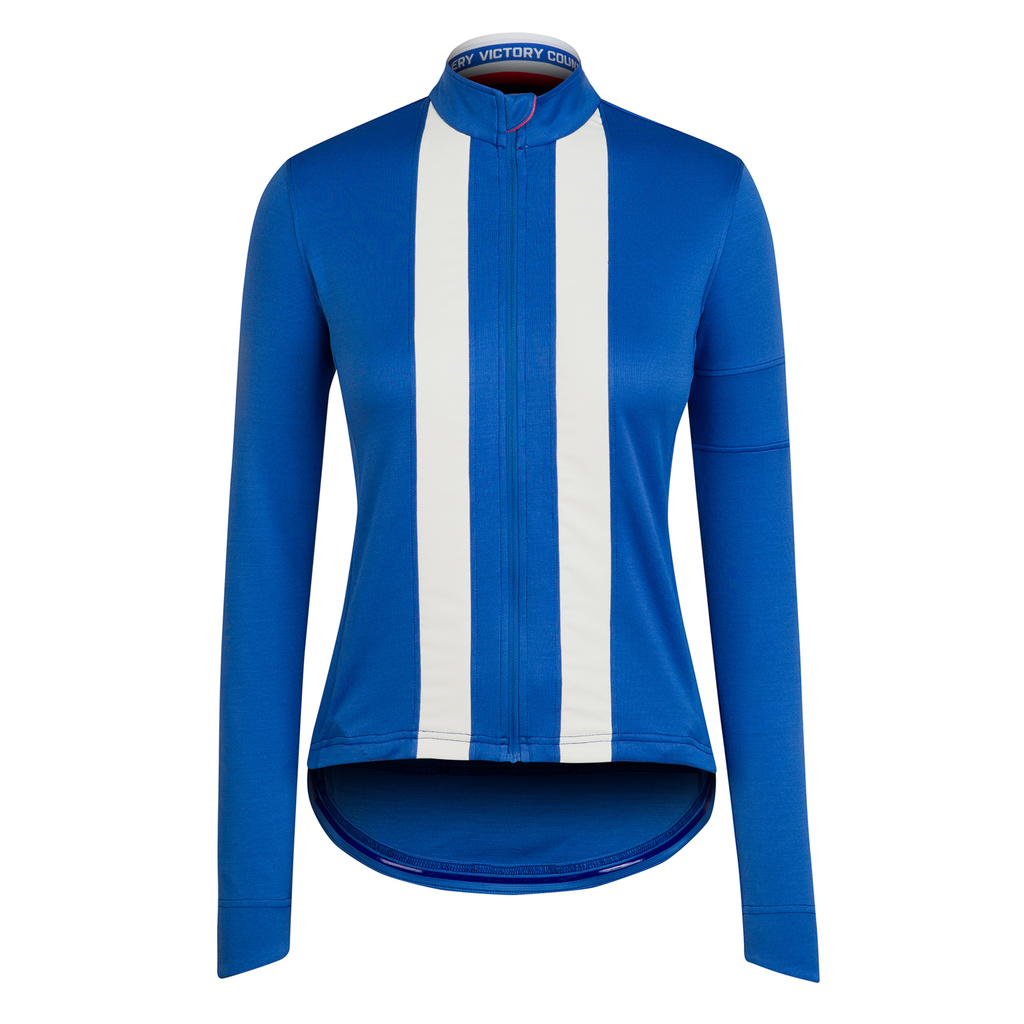
Every Victory Counts – Davis Phinney & Connie Carpenter Special Editions by Rapha

“Every Victory Counts”

The motto of the Davis Phinney Foundation, which raises funds for research into Parkinson’s (a condition which affects around 4 million people worldwide), may initially sound like an overly simplified piece of marketing spiel but the more you listen to the necessarily slow, considered, hard-fought words of Davis Phinney in the quite wonderful film that Rapha has produced to accompany the two special edition jersey’s named after the all-conquering husband and wife pro-cyclisting duo who became America’s Darlings in the early Eighties, the more you come to realise that ‘Victory’ can encompass even the smallest, most mundane tasks if that is the limit of your ability.

It’s no understatement to say that Davis Phinney and Connie Carpenter are cycling royalty. Quite apart from winning National, International and Olympic medals, they also contrived to conjure an heir to their majestic dynasty by raising ex-National champ and current professional road-racer Taylor Phinney. In 1984, at the LA Olympics, Connie came out of retirement to win the gold medal in the very first Women’s Olympic Road Race. Though Davis could not quite match her golden feat that day he was one of the brash Americans who stormed the bastions of Europe with the 7-Eleven team, laying the foundations for Greg Lemond’s later successes. Two stage wins in the Tour de France capped Davis’ long racing career as a sprinter. Rapha have chosen to honour the couples life-long partnership with two distinct Special Editions jersey’s. Fittingly Connie’s is the first Women’s specific Special edition that the company have produced.

Taking cues from Connie’s Team USA strips and Davis’ Coor’s Classic race wins, the jerseys are as bold and forthright as the pair were in their heyday. 10% of the cost-price is to be donated to the Davis Phinney Foundation, which was set up following Davis’ diagnosis in 1999. He talks about his battles with (and his small triumphs over) the disease towards the end of Ben Ingham’s glorious 15 minute film with incredible optimism and a tangible warmth that is rarely found in professional athletes. It is the most inspiring thing I have seen for a long, long time..

WCP01-Product-AW14-01.jpg_MEDIUM WCP01-Loc-AW14-03.jpg_MEDIUM

Connie Carpenter Special Edition Jersey


DPJ01-Product-AW14-01.jpg_MEDIUMDPJ01-Loc-AW14-01.jpg_MEDIUM

Davis Phinney Special Edition Jersey

Both jerseys are £165 from rapha.cc

Tour de France – Rest Day Roundup 1

The former British Prime Minister Harold Wilson is supposed to have said that ‘A week is a long time in politics.’ The same might very well be said of pro-cycling and it has most certainly been a truism in this incredibly eventful opening phase of this years Tour de France. 

Just 10 short days ago we watched 198 riders roll out of Leeds and head North into the Yorkshire Dales with Mark Cavendish eyeing up a yellow jersey in Harrogate. It feels like a lifetime ago. So much has happened, there have been so many twists and turns, and so many retirements, that it seems as far away as the opening week of the Giro.

Continue reading

Graham Watson ‘Eyes on Le Tour’ photography exhibition.

—– STOP PRESS. The Whitecloth Gallery are having a silent auction of the prints shown in this exhibition. Check out the details here WHITECLOTH GALLERY and email liz.miles@whiteclothgallery.com to place your bid. Deadline is noon 21st July. PS – please don’t bid on Sizzling Feet.. I want it!  TJP —–

Cycling is a sport well suited to written reportage but Graham Watson’s ‘Eyes on Le Tour’ exhibition near Leeds rail station is about as good a counter argument to this as is possible. History is not writ large inside the two medium size galleries at the Whitecloth Gallery so much as Kodachromed large in the dazzling array of prints from his long and illustrious career at the heart of the pro peloton.

Continue reading

Yellow Fever – Tour de France Preview

With so much focus in this country on the Grand Départ it has been hard at times to remember that there will be a further 18 days of racing after the world’s biggest cycling cavalcade leaves our shores. I have been as guilty of this as anyone by focussing my thoughts almost entirely on the opening two stages in Yorkshire and the Stage 3 run from Cambridge to London. Everyone is talking about the ‘destiny ‘of Mark Cavendish to win the Maillot Jeune in his mum’s home town of Harrogate and wondering how much damage the fearsome Côte de Jenkins Road will do in the final few kilometres into Sheffield the following day. I think we are suffering from a touch of yellow fever that is clouding our ability to see beyond this weekend. It’s fantastic that we have so much to discuss about the short time the Grand Boucle is with us. But what of the rest of Le Tour?

Continue reading

Not Folding Under Pressure – The London Nocturne by FACE Partnership

We often hear about the unique element of cycling that says it is the only popular sport where the general public can readily do the same challenges in the very same arenas as their professional heroes. The fact that anyone can take a bike out on the roads used in the world’s biggest races is shown as proof that cycling – more than football, rugby or motorsport to name just a few – is truly the real sport of the people.

Continue reading

Competition Time – 100 Greatest Cycling Climbs of the Tour de France Book

It’s a busy time for cycling publishers at the moment and the Jersey Pocket office is groaning with tomes.. I have another excellent book to give away.

Check out my review here and answer the simple question at the bottom..

20140601-143233-52353671.jpg

100 Greatest Cycling Climbs of the Tour de France – Book Review – Simon Warren

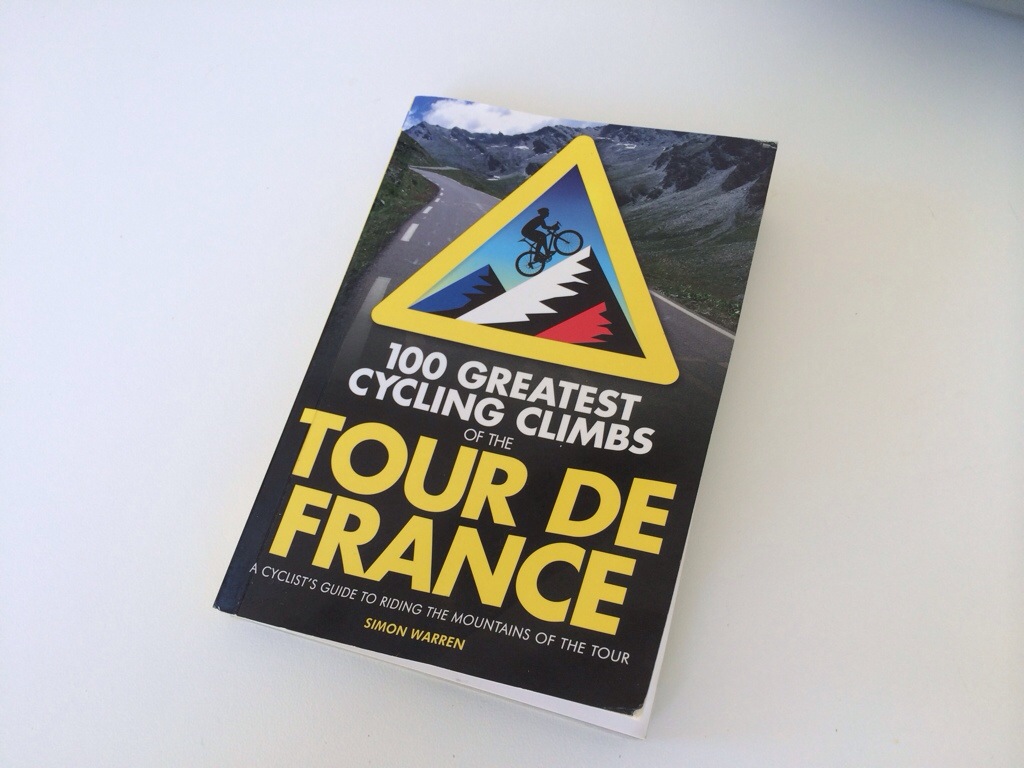
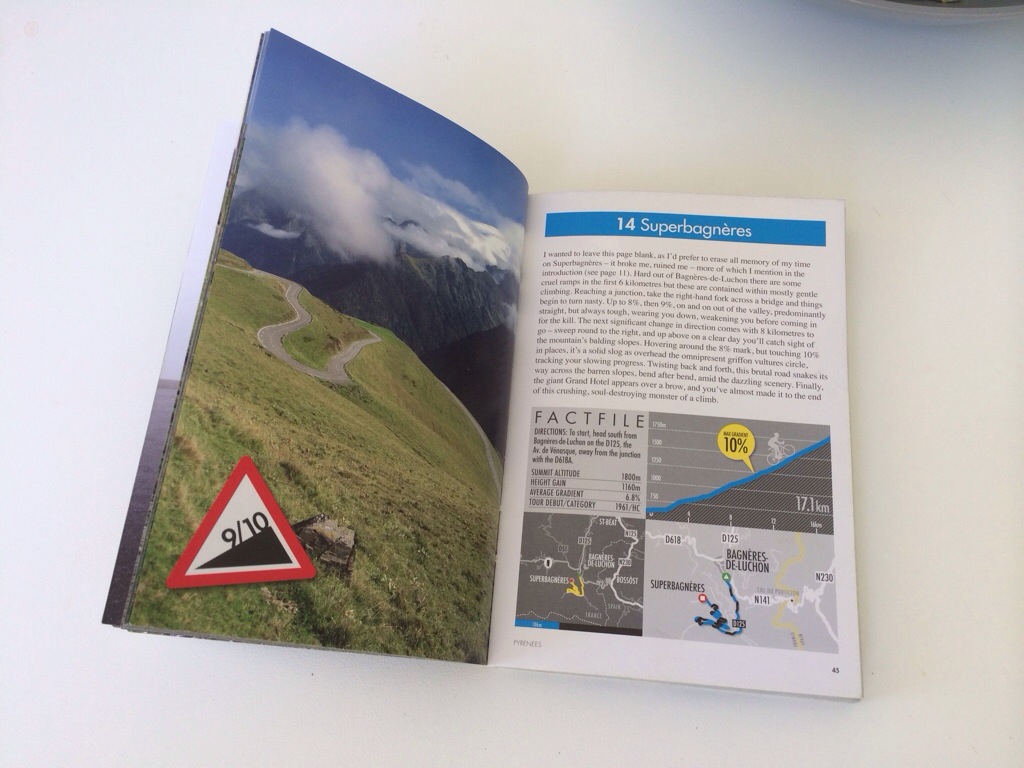
Whilst some books about the mountains that cyclists seek out to suffer upon are coffee table publications that fall into the (still wonderful) class of ‘road porn’, Simon Warren’s concise book of 100 of the climbs used in the Tour de France over the years is definitely a guide book. It’s not going to be the one you salivate over, turning the pages slowly and reverentially at home – the Mountain High and Mountain Higher series by Daniel Friebe is far better for that – but it is the one you are going to use for planning your trip to either the Pyrenees, Alps or Massif Central, and it is definitely the one you are going to take with you when you do go as it is full of useful info about finding the climbs, linking them together and, most tellingly, it has a list at the back where you can tick off your conquests.

20140601-143233-52353671.jpg


The 100 Greatest TdF Climbs book (Frances Lincoln Limited, £9.99), which was published on last week, is the fourth in the ‘100 Greatest Climbs’ series by Simon Warren. Having filled two books with British climbs and one on the Hellingen of Belgium Warren spent a summer riding and researching the much more challenging routes in this latest edition.

Arranged into six separate geographical areas – Pyrenees, Massif Central, Vosges, Jura, Alpes du Nord and Alpes du Sud – each climb comprises the same double page format. Photo and difficult rating on the left; climb description, info, maps & profiles on the right. Without having tested them it’s hard to comment on the directions but they seem comprehensive and always look to make navigation as easy as posible. Quite a few of the maximum gradients noted on the profiles don’t tally up with those in the description paragraph but this hardly interrupts the usefulness of the book.

20140601-171026-61826349.jpg


The written descriptions are excellent, noting everything from the climb topography and direction to the subtle changes of gradient that interrupt your rhythm and can sap your will. Warren waxes lyrical about some climbs whilst berating others for the unrewarding punishment that they inflicted upon him. Notes often also include optional ascent routes that Warren had to choose between allowing a rider with more time the option to consider multiple ascents.

Obviously the book includes the most famous of the Tour climbs, such as Ventoux, Alpe d’Huez, Galibier and Tormalet, but it’s some of the lesser known climbs that really whet the appetite. All of the above would be on most cyclist’s ‘To Do’ list but mine has now swelled with the addition of quite a few more. Wanting to conquer a climb like Alpe d’Huez or Ventoux because of their infamy is fine but learning that the Pas de Peyrol or the Cormet-de-Roseland are, according to Warren, simply two of the most fantastic roads that you can pedal a bike up is worth the modest cover price alone. It’s definitely worth picking up a copy before this years Tour hits some of the same slopes to give an extra understanding of the stages.

COMPETITION TIME: We have one copy to give away. Just send your name and address, along with the answer to the following question, to thejerseypocket@gmail.com and a winner will be picked at random on Monday 9th June.

How long (in km) is the hors category climb up to Superbagneres?


The Shattered Peloton – Book Review – Graham Healy

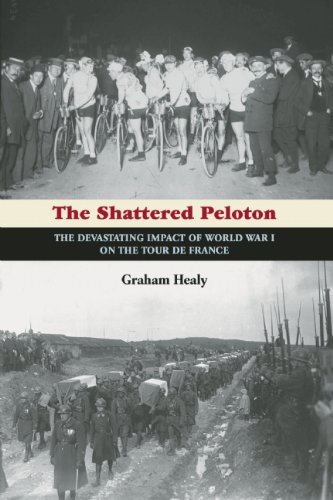
It’s not often that someone tells you that you are the very first person to have bought their book, but that’s the message I got when I followed a twitter link recently and bought an E-copy of “The Shattered Peloton – The Devastating Impact of World War I on the Tour De France” by Graham Healy (Breakaway Books £7.76 Amazon, £4.90 Kindle edition). Armed with such a privilege I thought that I should shelve everything else I was currently reading and get a review out in double quick time.

the shattered peloton

Like many others, I am intrigued by the history and geography of Le Tour and the other historical races, and the impact of World War One was clearly a defining moment in many of their infancies. As well as robbing the sport of a generation of young men, the war shaped our perception of many of the areas still visited by the Tour and the Spring Classics today. In this centenary year of the outbreak of hostilities, the Tour has shaped itself in recognition and respect of the upheaval and sacrifice caused by what was known for a very long time simply as “The Great War”. Similarly the 2014 edition of Ghent-Wevelgem was renamed ‘Ghent-Wevelgem in Flanders Fields‘ in tribute. Healy’s book is a wonderful, timely extension of the respect that cycling is paying to the anniversary.

It is also a very good political history book with, amongst other excellent dissections of the ebb and flow of the War on it’s many fronts, one of the most succinct descriptions of how Archduke Franz Ferdinand’s death, which occurred on the same day that the 1914 Tour de France commenced, snowballed into such a mega-conflict a little more than a month later.

Cataloguing the destruction wreaked on any particular set of people by a conflict of such magnitude must have been a relentlessly grim task. The well-researched book opens up doors to give glimpses of riders who have remained unheard of by most for many, many decades, only to have to close them again swiftly as their lives are snuffed out by shellfire, bullet, or bayonet. Professional cycling is a sport inhabited by young fit men and, whilst the book does make mention of some of those who were lucky enough to survive the conflict and resume their careers, most of the tales end in a headstone, a mention in dispatches, or, most poignantly, an assumption of death in lieu of any physical remains.

As we know, war is no respecter of personal history and alongside the names of lesser-known rouleurs are names of giants of the sport who had carved out their legends in the early years of the professional cycling scene before heeding the call to War. Many went eagerly in the first call to arms, in the mistaken belief the War would be brief and decisive. Many cyclists, adventurous men by nature, took to the skies to the early air force regiments where the death toll was even higher than in the trenches.

I was going to mention some of the more famous casualties at this point but, on reflection, that seems to miss the point somehow. You will find them in the book, along with the stories of the lesser lights, but I will leave them all equal in their sacrifice. “Cyclist. Killed in the Great War.” Though some excelled more than others a la velo they all shared the same fate and should be considered equals for that at least.

The Shattered Peloton is a hard-read in the sense that there is no ‘happy ending’. But as a record of achievement, loss and unfulfilled potential, it’s hard to think of another book that is as valid as this one is this year.

As I mentioned earlier, the names of the fallen are many and, in many cases, obscure to modern readers. My sole request for the second edition would be the addition of a index of the riders at the back of the book. Name, Date of Birth, Cycling Honours, Date of Death. I think that would make navigating the bell-tolling pages a little easier, and certainly aid revisiting the text in search of a fact in the future.

The hardcopy of The Shattered Peloton is currently available for pre-order. It will be released on 10th June. The Kindle version is available for download now.